Category: Power Wheelchair
Posted by 2025-12-23 11:12
hoyer lift for obese
Hoyer Lifts for Bariatric Individuals: Professional Guarantee for Safe Transfers and Preservation of Dignity
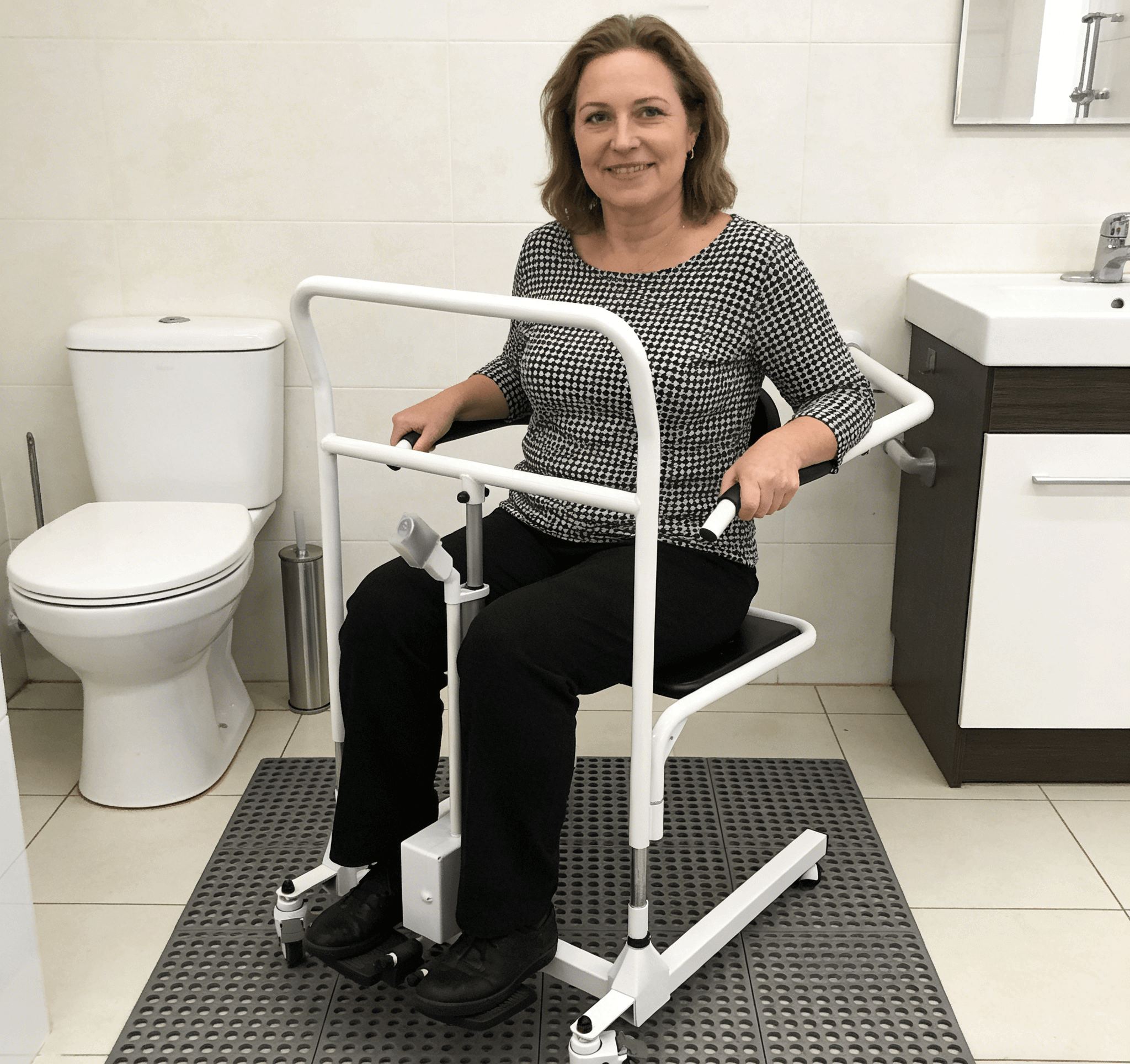
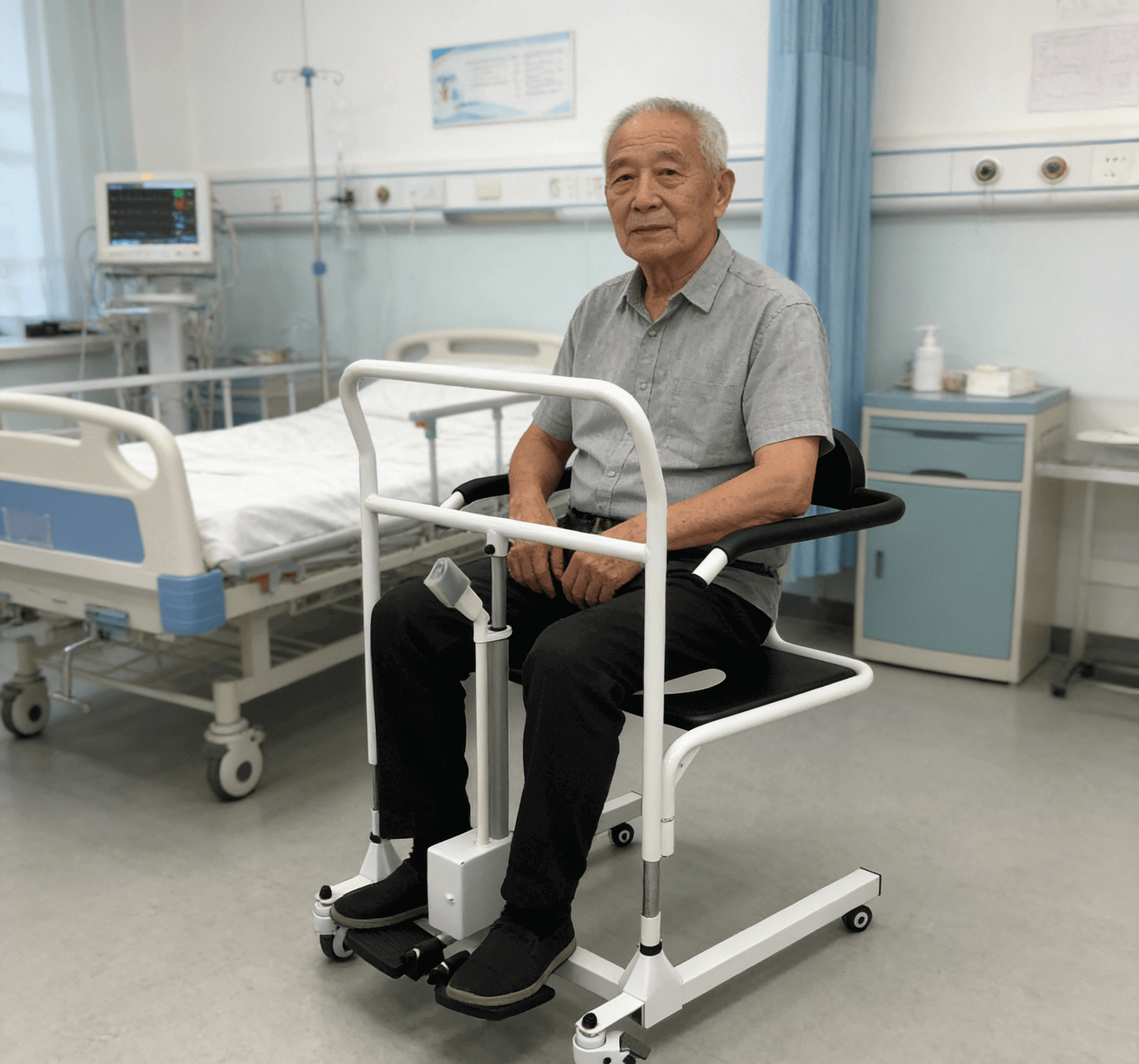
In today’s society, obesity has become a global health concern. For individuals with significantly excess weight, daily mobility is not only restricted, but they also face unique challenges in medical care, rehabilitation, and home care—especially when they are unable to move independently due to illness, post-surgical recovery, or frailty from old age. How to safely and comfortably transfer them from bed to wheelchair, or from wheelchair to bathroom facilities, has become a key challenge in caregiving. At this point, bariatric-specific high-weight-capacity Hoyer Lifts are not just assistive devices, but core tools that ensure safety, protect dignity, and improve the quality of care.
Why Can’t Standard Lifts Meet the Needs of Bariatric Individuals?
Standard Hoyer Lifts are typically designed with a weight capacity ranging from 180 to 200 kg, and the sling width, base span, and structural strength are all optimized for average body types. However, bariatric individuals often face the following realities:
Their weight exceeds the equipment’s limit; forced use may lead to mechanical failure, sling breakage, or even falls.
Their body contours are wide; standard slings cannot fully wrap around the hips and thighs, easily slipping or causing localized pressure.
Their skin is sensitive and fragile; friction or improper support can easily lead to abrasions, rashes, or even infections.
They bear heavy psychological burdens, worrying about being "too heavy to lift," "damaging the equipment," or "tiring others out," leading to a tendency to avoid care.
These factors mean that universal equipment has obvious limitations in bariatric care scenarios, and may even pose safety risks.
What Is a "Bariatric" Hoyer Lift?
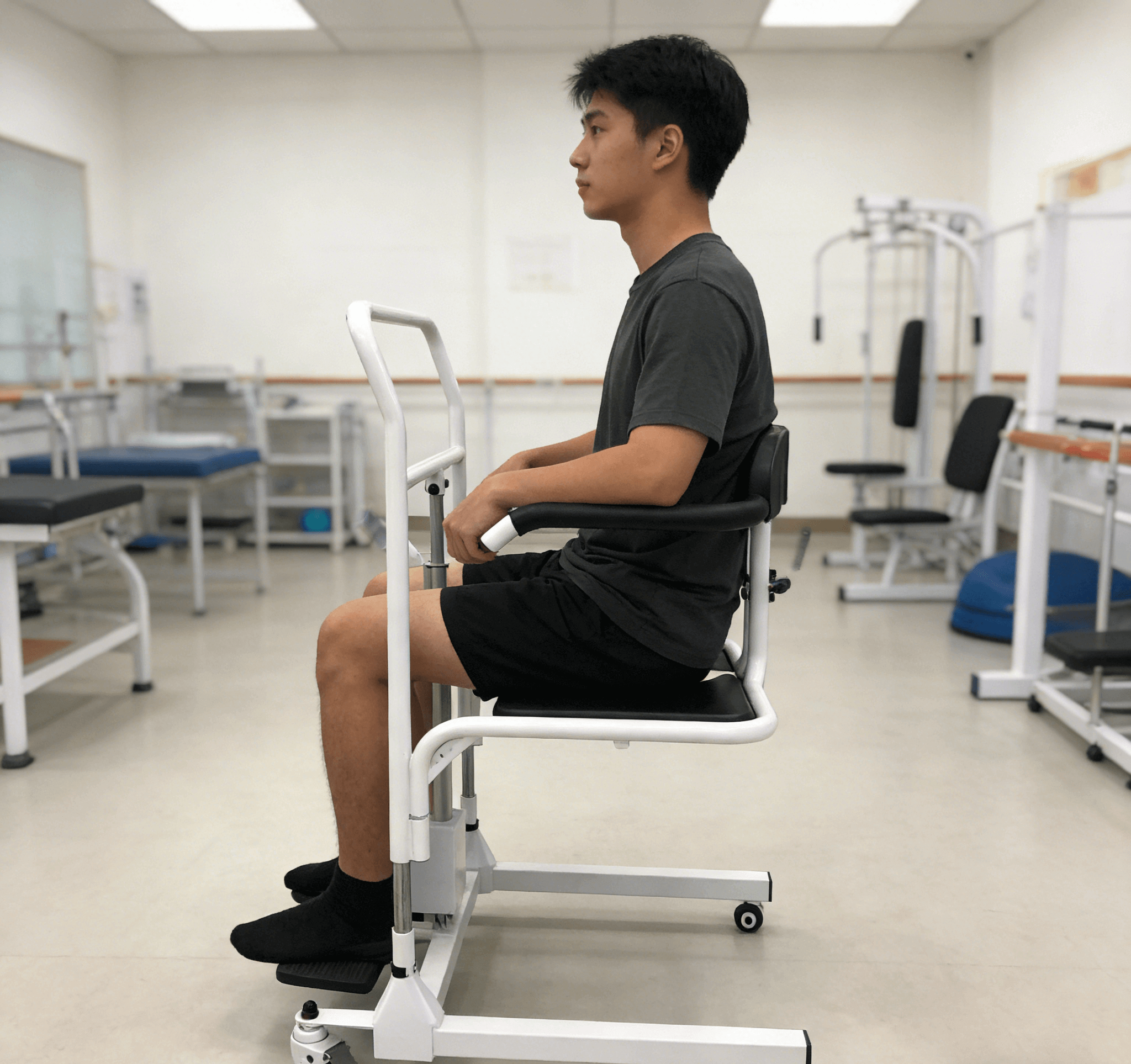
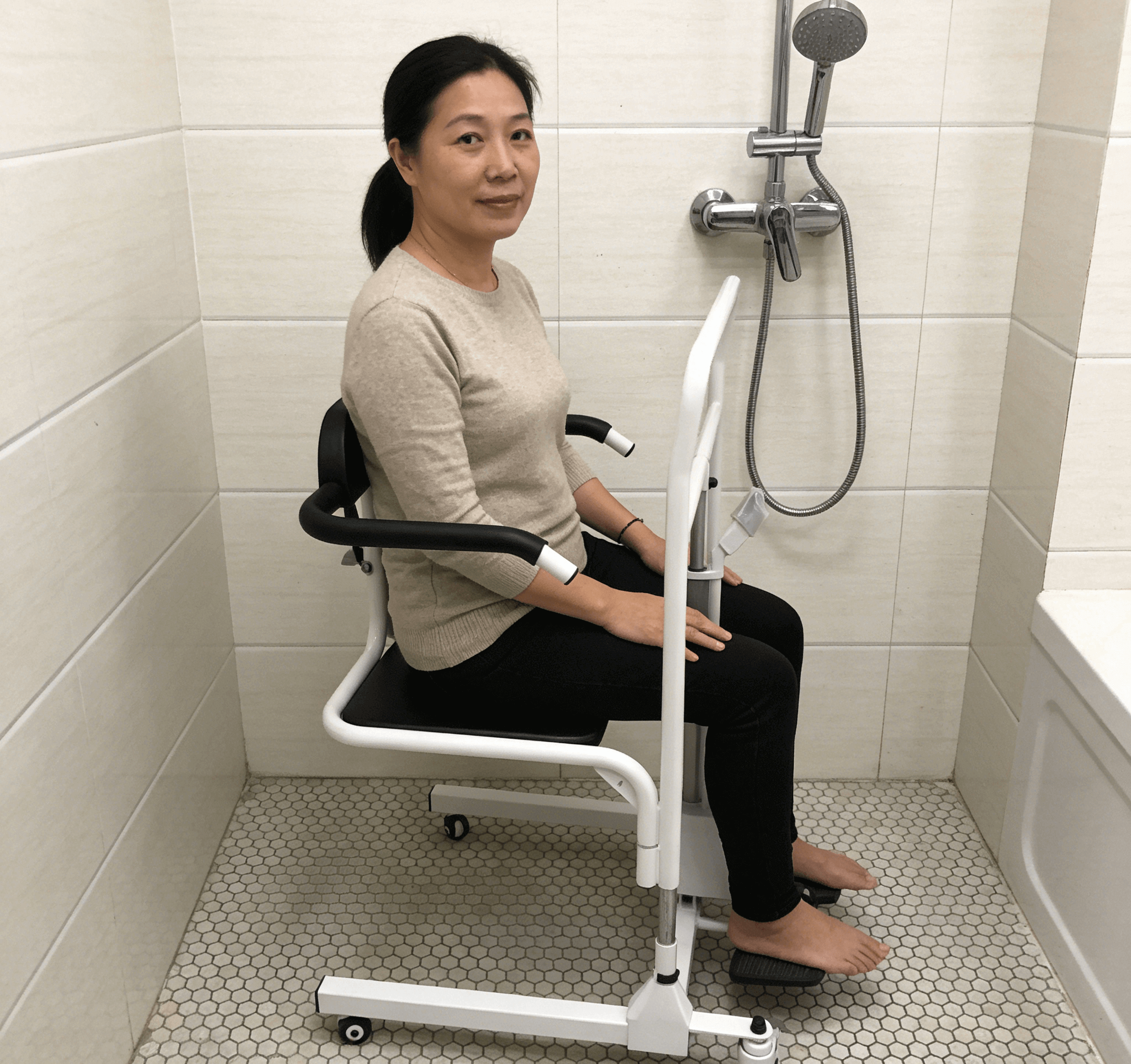
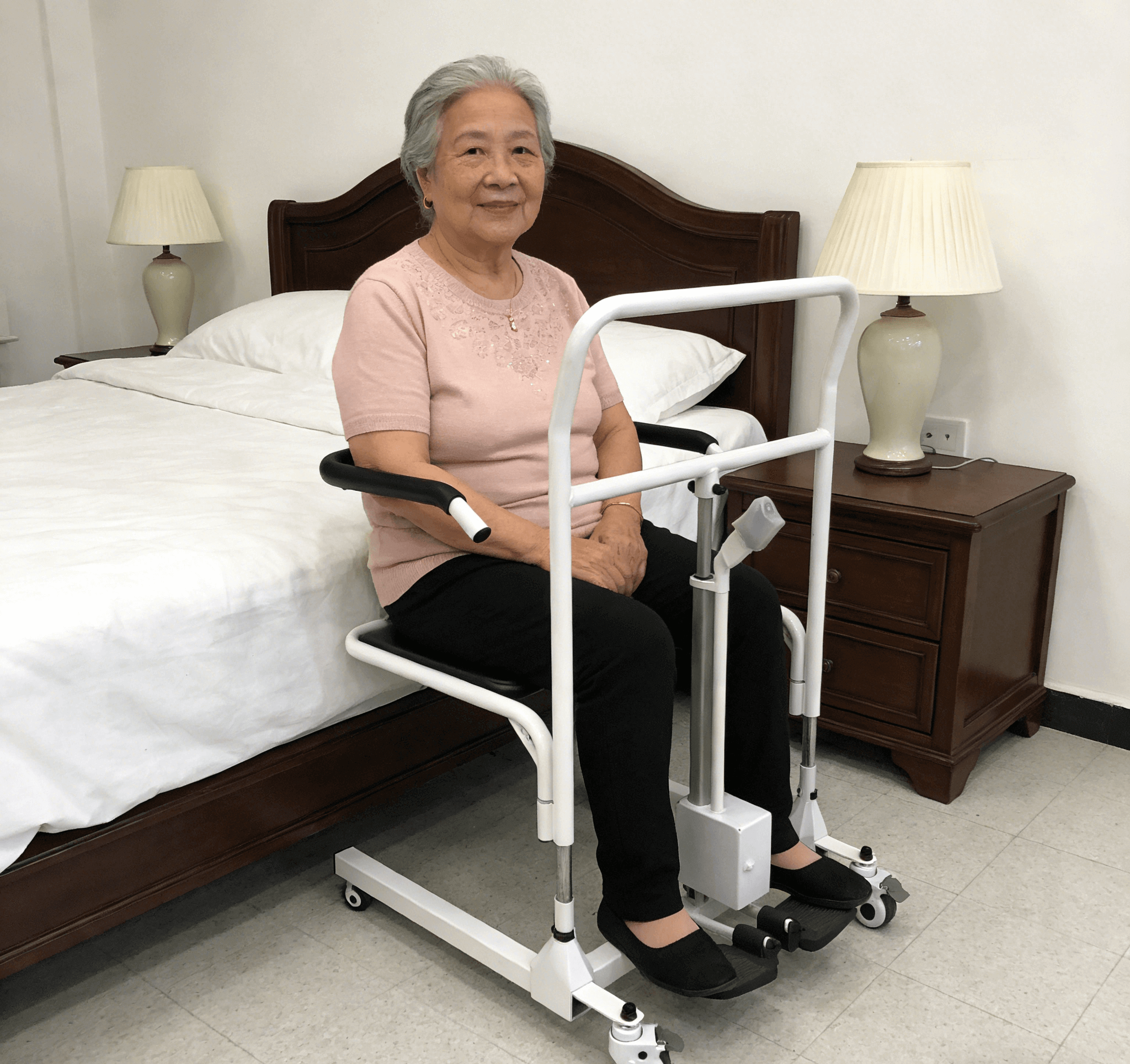
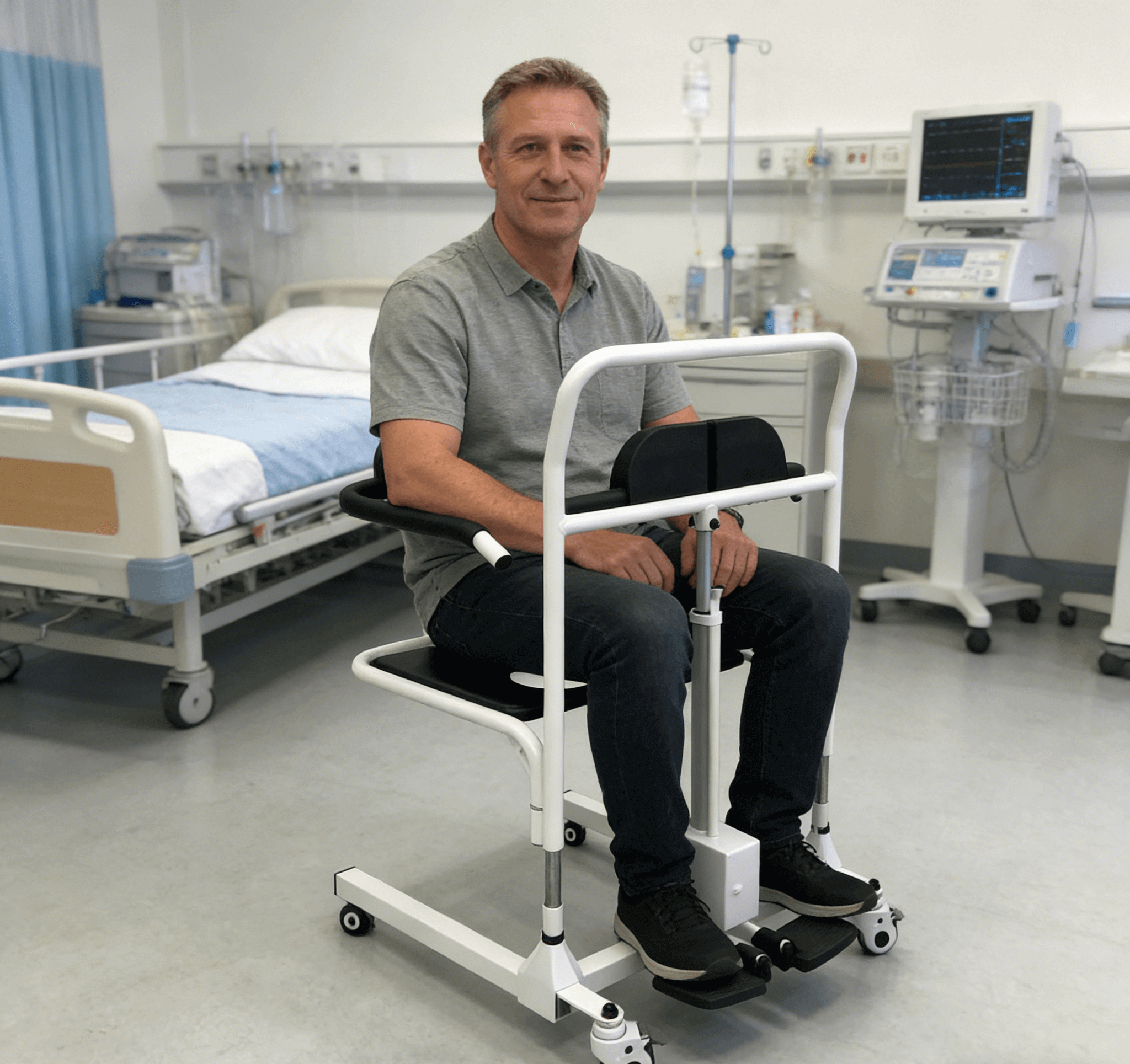
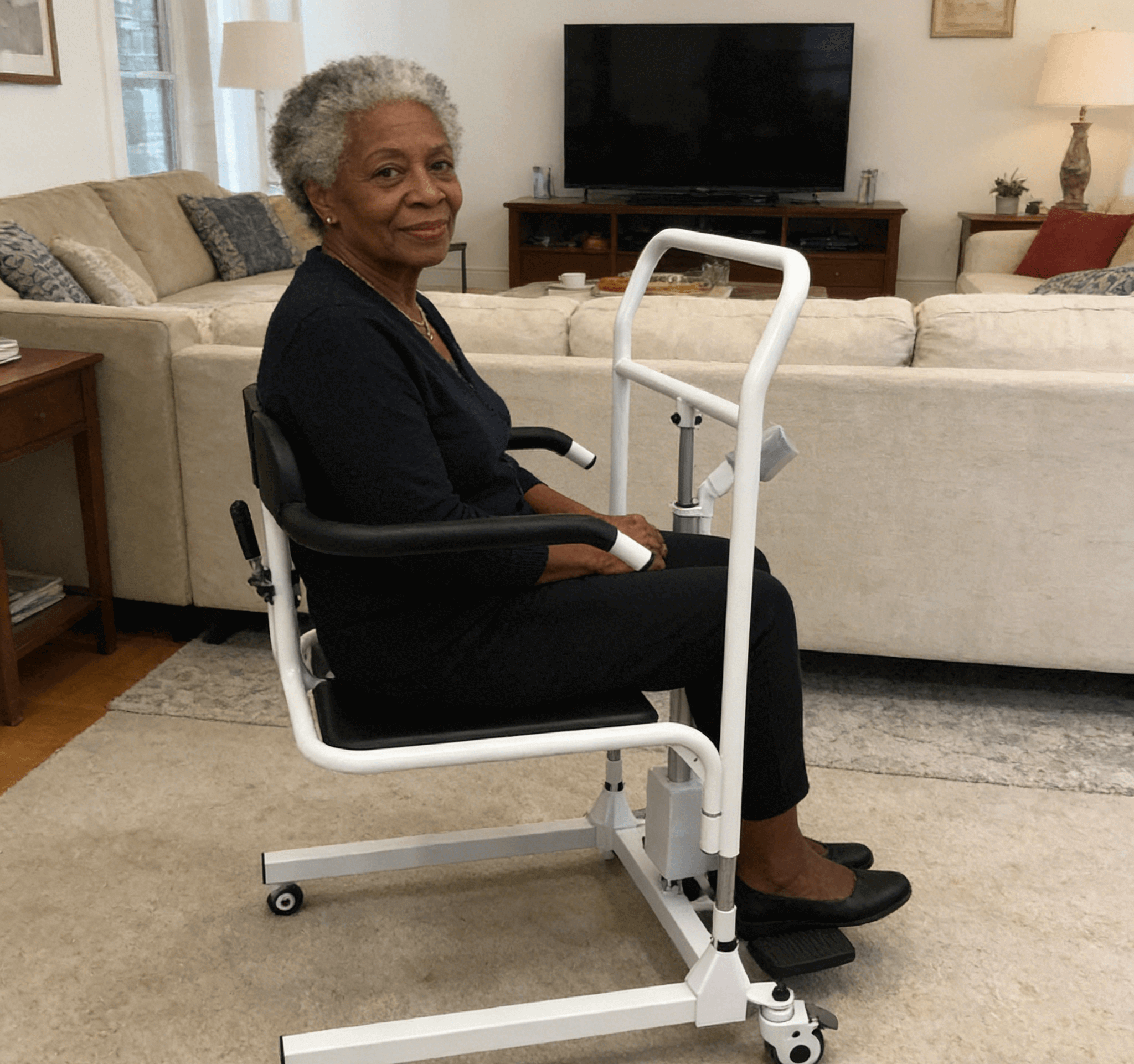
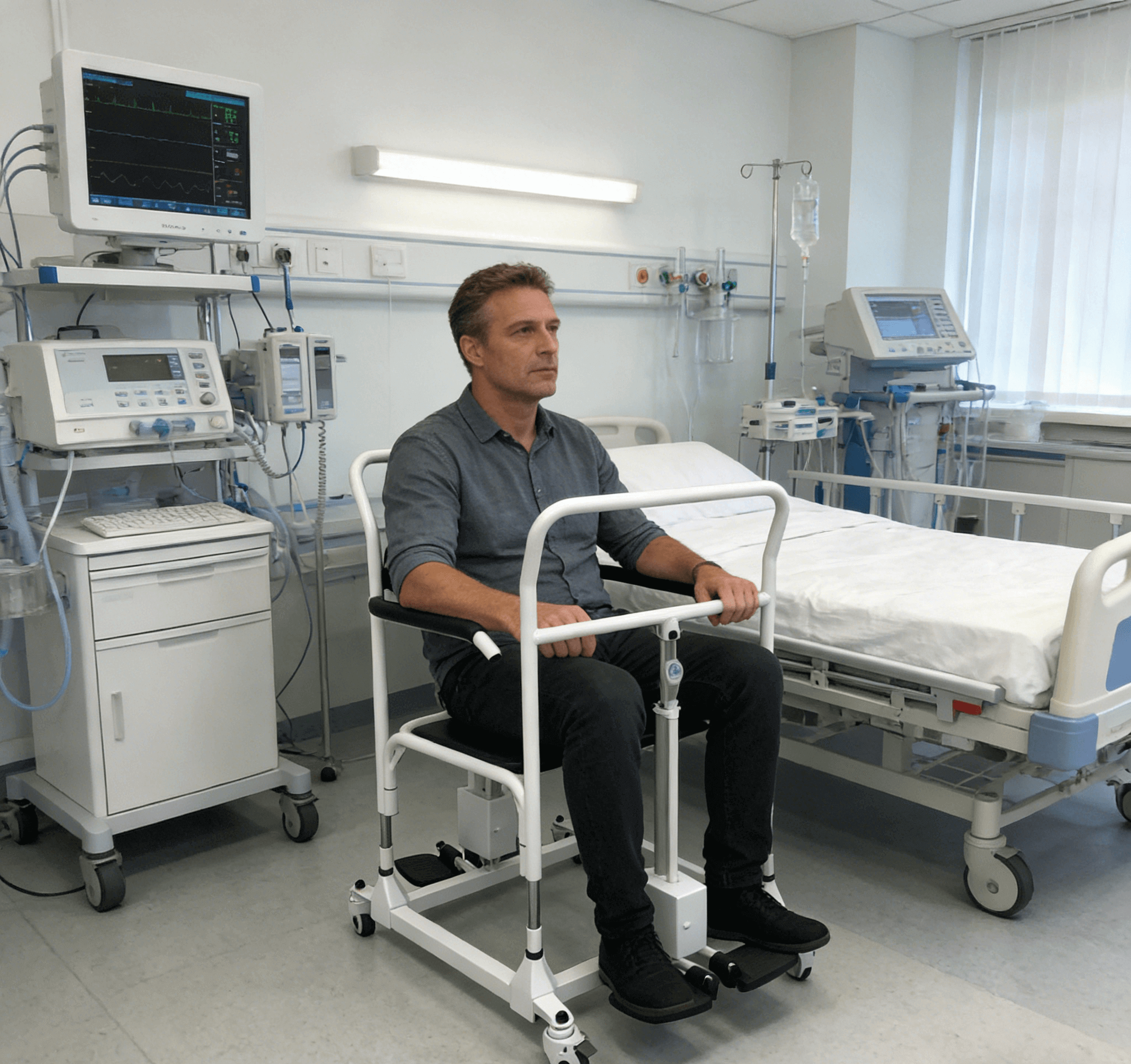
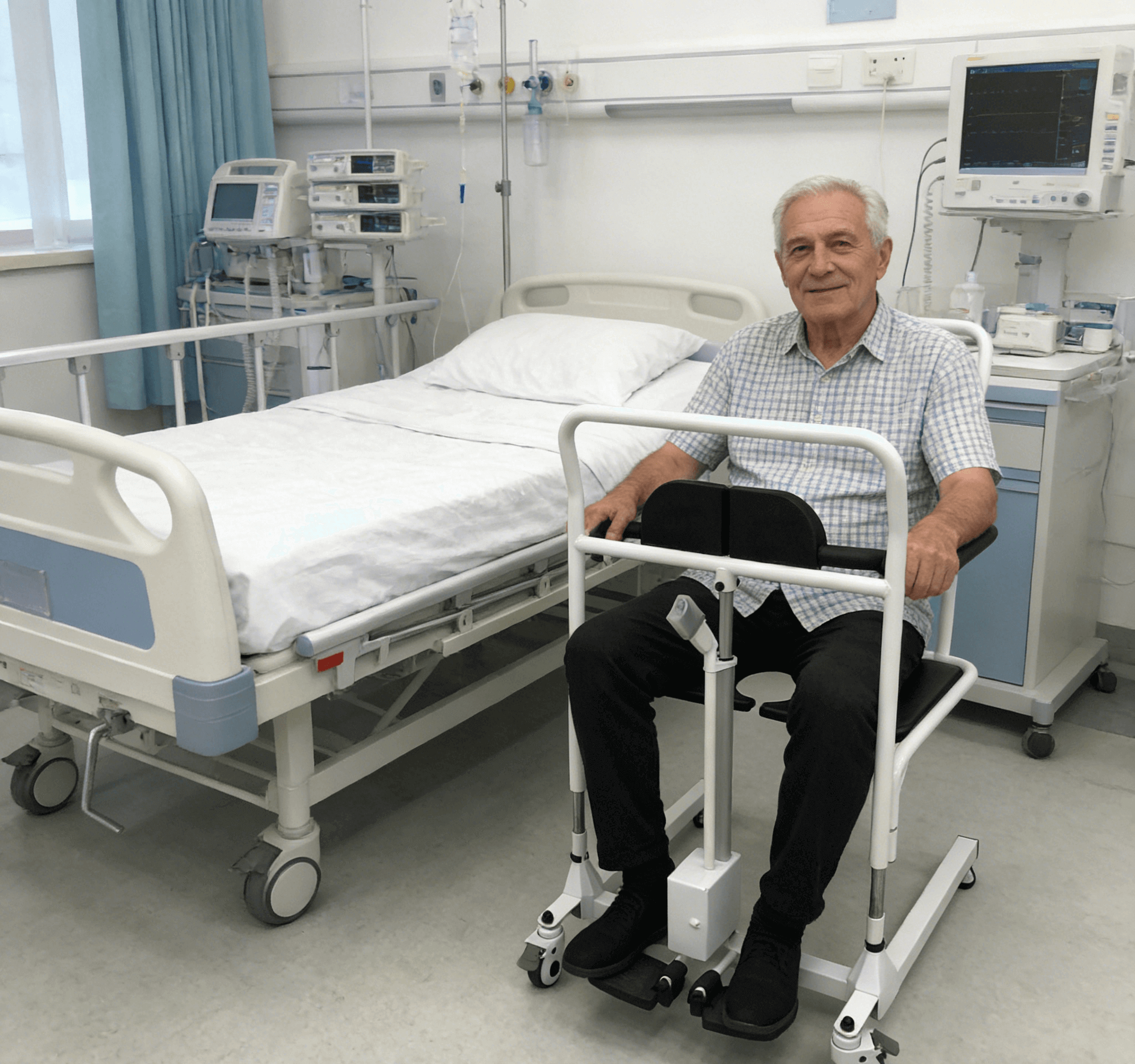
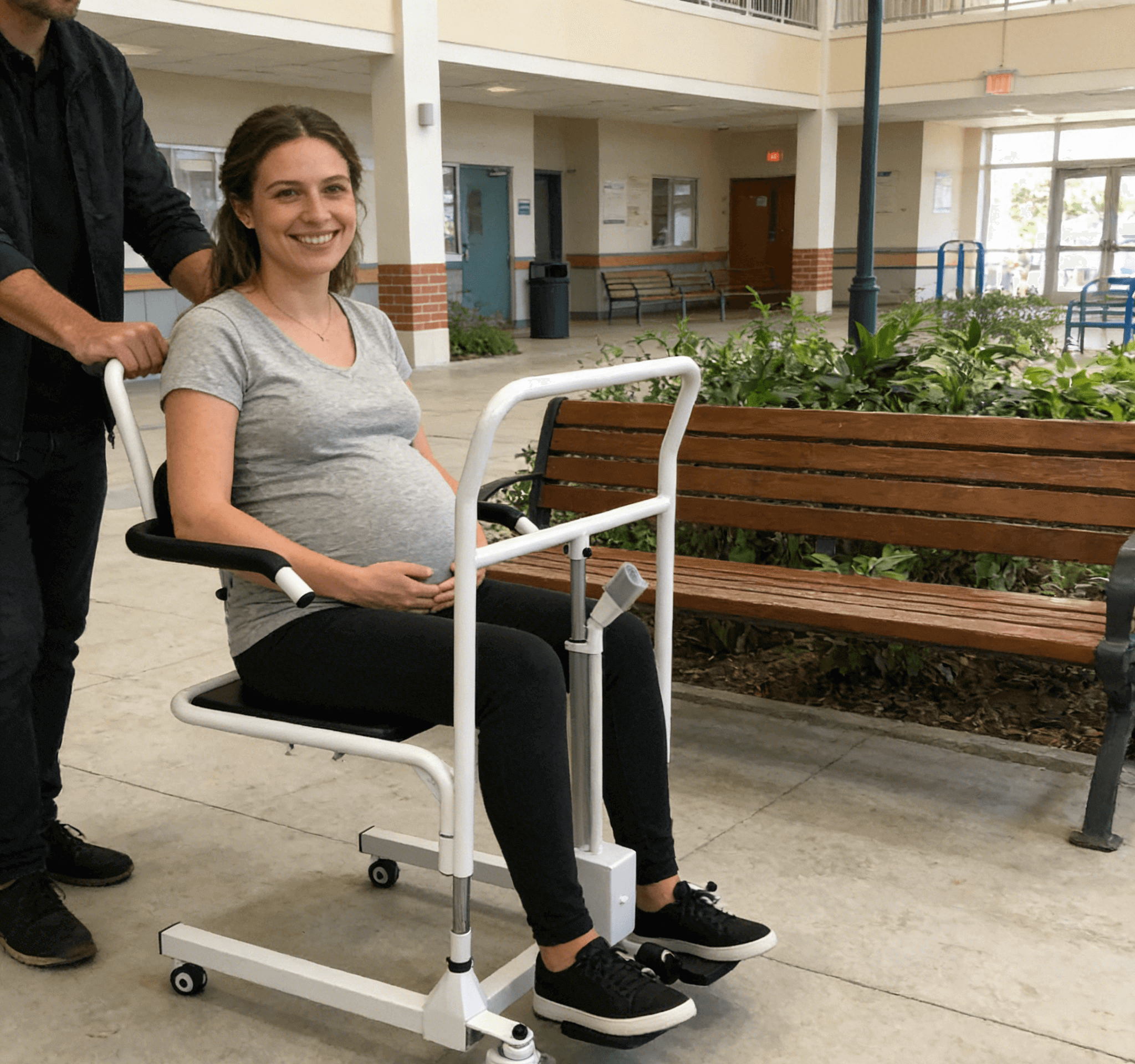
To address the above challenges, the medical equipment industry has developed bariatric Hoyer Lifts, with a core design philosophy of being "stronger, wider, more stable, and more considerate":
Ultra-high weight capacity: Mainstream models can support 270 kg or 320 kg, and some industrial-grade equipment can handle over 450 kg.
Widened U-shaped base: Provides a larger support area to prevent the equipment from tipping over under high loads.
Customized wide-body slings: Made of high-density breathable fabric, with shoulder straps and leg loops widened by more than 30% to distribute pressure and avoid constriction injuries; some slings are also equipped with abdominal support pads to improve sitting stability.
Low chassis + large wheels: Facilitates sliding under hospital beds or home beds, and can be pushed smoothly even on uneven floors.
Quiet high-torque motor: Ensures steady lifting and lowering even at full load, avoiding sudden pauses or jolts.
Ergonomic control interface: The position of the control handle is adjustable, making it easy for caregivers of different heights to operate.
Such equipment not only solves the problem of "whether lifting is possible," but also focuses on "whether the lift is comfortable and respectful."
Key Points for Safe Use
When using Hoyer Lifts for bariatric individuals, special attention should be paid to the following practical principles:
1. Accurate Assessment and Equipment Matching
Be sure to measure the patient’s actual weight and the size of their widest body parts (such as hip circumference and waist circumference). Choose a model that matches both weight capacity and sling size, and never "make do" with an inappropriate one.
2. Strictly Prohibit Sling Mixing
Interfaces between bariatric slings and standard slings may be incompatible, and their material strength also differs. Only use original or certified specialized slings, and regularly check for wear.
3. Reserve Sufficient Operating Space
Bariatric equipment is relatively large. Clean room passages in advance, confirm door width (≥90 cm is recommended), and remove obstacles such as carpets.
4. Emphasize Communication and Privacy Protection
Explain the process to the patient and obtain their consent before operation; use privacy curtains during transfers to avoid exposure; use gentle language and avoid suggestive words such as "too heavy" or "troublesome."
5. Team Collaboration for Greater Safety
Even if the equipment supports single-person operation, two-person collaboration is recommended for first-time use, when the patient is anxious, or in complex environments: one person operates the equipment, and the other assists in comforting the patient and monitoring their condition.
Beyond Functionality: The Human Touch in Care
For many bariatric individuals, long-term social stigma may make them feel ashamed or resistant to accepting help. A Hoyer Lift designed specifically for their body type conveys not only technical adaptation, but also a deep sense of acceptance: "Your body deserves to be taken seriously, and your safety is our priority." This silent respect often alleviates the patient’s anxiety more effectively than the equipment itself, and promotes cooperation in care.
When medical institutions, nursing homes, and even families proactively equip bariatric assistive devices, it not only demonstrates professional competence, but also represents practical action to implement the concept of "non-discriminatory care."
Conclusion
Using Hoyer Lifts for bariatric individuals is by no means a simple "larger-sized" replacement, but a comprehensive solution integrating engineering design, clinical experience, and humanistic care. It frees caregivers from shouldering risks with physical strength, and spares care recipients from losing dignity due to their body size. In an era of diverse body weights, equipping appropriate transfer equipment should not be regarded as a "special need," but as a basic standard in modern care systems—because safety and respect should never have weight limits.